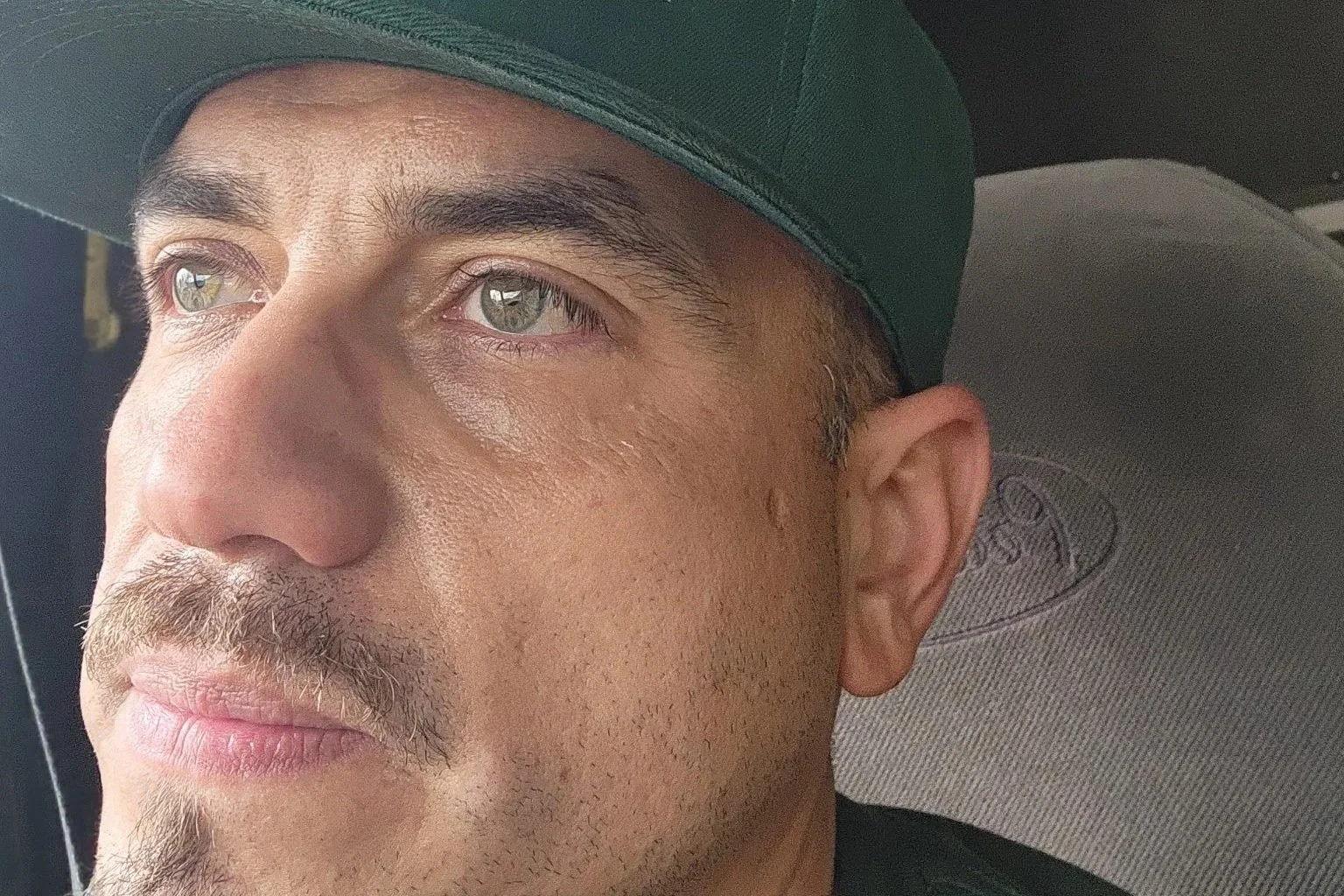
Plaintiff says troopers extensively damaged his truck and cargo in ‘targeted’ search
By Paul Cuno-Booth, Granite State News Collaborative
The New Hampshire State Police have agreed to pay $65,000 to settle a lawsuit alleging state troopers profiled the Latino owner of a moving company when they stopped and searched his truck in 2019.
In the lawsuit he filed in 2022, Mark Ramirez of Houston, Texas, says he was en route to Maine with a tractor-trailer full of furniture and other belongings he was transporting for a customer when state troopers stopped him, questioned him at length, accused him of trafficking drugs and impounded his truck for several days.
Troopers’ search of the vehicle found no drugs or other evidence of criminal activity, but caused extensive damage to the truck and its contents, according to the lawsuit, with some of the customer’s furniture “destroyed beyond repair.” Ramirez says his customer refused to pay him because of the damage and delay. Between the unpaid contract and other expenses, he says the troopers’ actions cost him well over $30,000.
The lawsuit alleged the trooper who stopped him, Timothy Berky, did so “because [Ramirez] and his passenger appeared to be of Mexican heritage,” violating his constitutional rights.
“I felt we were targeted,” Ramirez said in an interview this month.
According to the terms of the settlement — which was reached in July and obtained through a public records request — State Police dispute the allegations and admit no wrongdoing. Claims against the individual troopers were dismissed before the settlement.
“The settlement document reflects our full position,” Tyler Dumont, a spokesperson for New Hampshire State Police, wrote in response to a request for comment. Dumont declined to answer questions about the case or the department’s current practices for vehicle stops.
Berky, who is now listed in the state’s employee database as a State Police detective, did not respond to a request for comment.
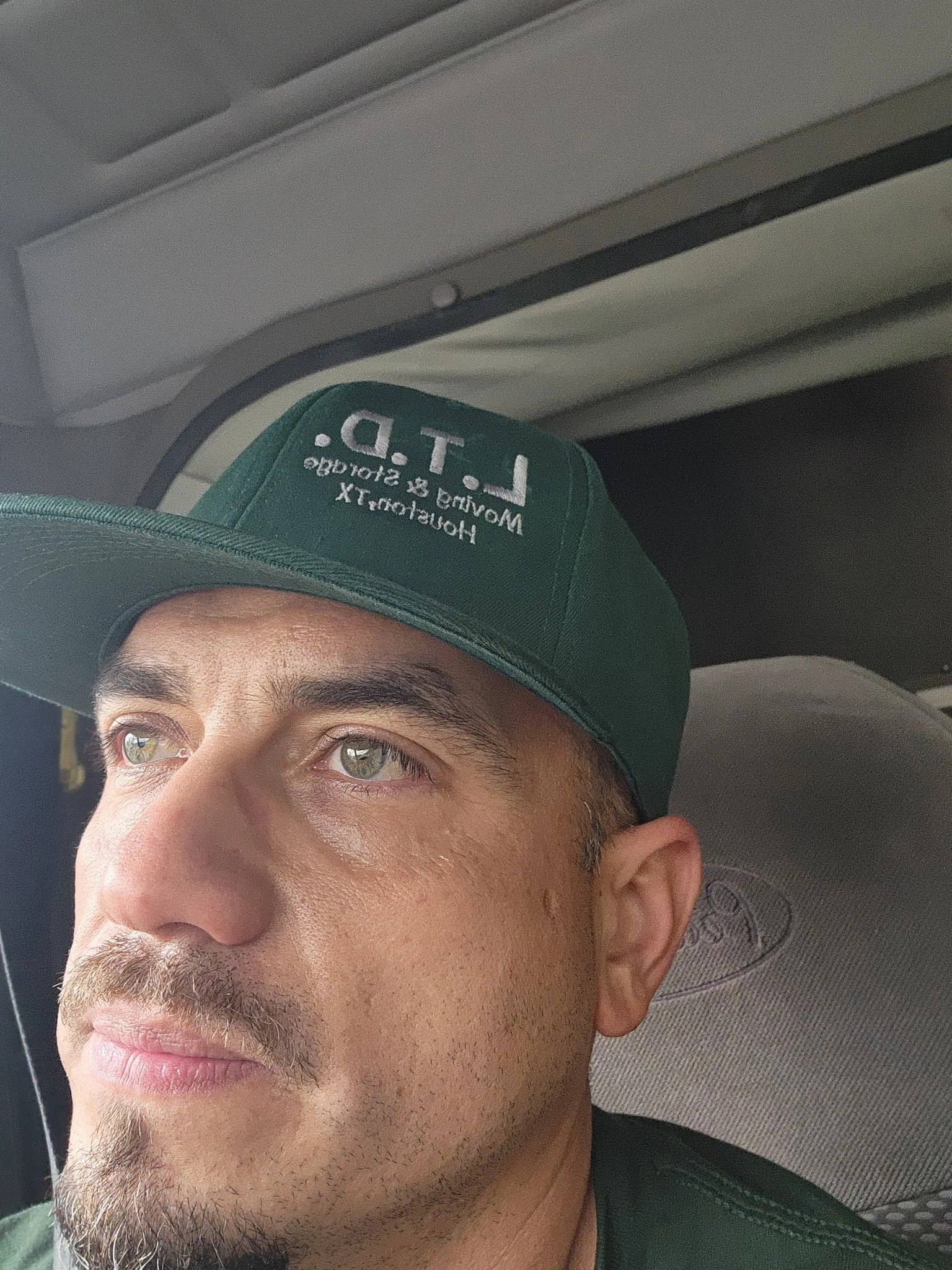
N.H. State Police recently paid $65,000 to settle a lawsuit filed by Mark Ramirez, owner of a Texas moving company, who alleged he was profiled by troopers when they stopped and searched his truck in 2019. ‘I felt we were targeted,’ Ramirez said. (Courtesy photo)
At the time of the stop, Berky was a member of New Hampshire State Police Mobile Enforcement Team, a controversial unit that has frequently used traffic stops as pretexts to check for drugs. A previous investigation by the Granite State News Collaborative found at least 17 instances between 2016 and 2020 in which judges or prosecutors had thrown out Mobile Enforcement Team criminal cases because of illegal searches or seizures, a majority involving cars with Black or Latino occupants.
The Ramirez case is the second lawsuit the state has settled involving allegations against the Mobile Enforcement Team. In 2021, the state agreed to pay a Maine woman $212,500 to settle claims that a different trooper, Haden Wilber, illegally detained her and searched her effects during a vehicle stop in 2017, then made unsubstantiated claims she was smuggling drugs inside her body that led to her spending 13 days in jail and undergoing an invasive body-cavity search.
Wilber — who also aided in the Ramirez stop — was later fired after State Police determined he committed misconduct in connection with the 2017 case, including dishonesty and an illegal warrantless search of the driver’s phone.
State Police have defended the unit’s actions, calling those cases isolated incidents. A 2021 policy change required Mobile Enforcement Team cases to be periodically reviewed by lawyers from the state attorney general’s office.
Dumont did not answer questions about whether that policy is still in effect and whether State Police have made any other changes in how the unit operates.
‘It was a state of devastation’
Ramirez said in his lawsuit that he was driving north on Interstate 95 the afternoon of Aug. 23, 2019, when he saw Berky pull out and follow him. At the time, Ramirez and his brother, who works for his company, LTD Moving, were transporting a load of expensive furniture, art and other possessions for a client moving from Houston to Maine.
Berky stopped the truck when it exited the highway to fill up on gas, allegedly for a lane violation. Ramirez said he’s used to being stopped for routine roadside inspections, but this stop almost immediately felt different — as if he was being interrogated.
“He was just continuing to ask those same questions,” Ramirez recalled in the interview. “Where’d you come from? Where are you going to? Why were you here? What were you doing there? What did you drop off when you were there? What did you pick up?”
Ramirez added, “It just started seeming like he had other intentions.”
As the stop dragged on, multiple other troopers showed up. Ramirez said they questioned him about everything from his logbook to his brother’s tattoos. He said they wouldn’t let him use the bathroom despite repeated requests. One trooper, whom Ramirez understood to be a sergeant, berated him and his brother for interrupting his family dinner and daring to come into his state, he said.
“He was telling me how I was a criminal, how my brother was a criminal,” Ramirez said.
Troopers searched the truck’s cab and claimed they’d found a “hidden compartment.” Ramirez said it was a standard feature of the truck — a removable panel that allows access to the air conditioner’s air filter. Troopers also ran a police dog around the truck and said it “alerted” to a potential odor of drugs. (Ramirez said he felt the dog was being coached.)
Troopers then had the truck towed, leaving him and his brother stranded without a ride at night, at a truck stop “almost in the middle of nowhere.”
Because it was a Friday, troopers didn’t fully search the truck until Monday afternoon, after getting a search warrant from a judge. Records show nothing illegal was found.
Ramirez and his brother went to pick up the truck the next day, having spent over $1,000 on hotels, food, clothing, rental car fees and other expenses. The towing company slapped them with a bill for nearly $3,000, according to records filed in connection with the lawsuit.
Ramirez was shocked when he saw the truck. “It was a state of devastation,” he said.
The fuel-tank caps were destroyed. Wires were hanging in the engine compartment. The 1997 Peterbilt cab — a proud family possession that his father had just paid handsomely to restore — was “ripped apart.” The trailer and its cargo were in disarray.
“They ripped the trailer apart,” he said, choking up at the memory. “They tore up our client’s furniture. They threw stuff in there. It was bad. It was bad. I wanted to break down on my knees and give up.”
His client, seeing the damage, refused to pay what Ramirez estimated would have been at least a $25,000 bill.
Ramirez’s lawsuit alleged that troopers lacked the legal justification to detain him or search his truck and that they illegally singled him out because of his ethnicity.
“There was no reasonable or articulable suspicion, probable cause or other lawful basis for the stop, detention [and] seizure of the plaintiff nor for the impoundment of the truck and trailer,” the lawsuit states.
‘Concern about the tactics’
In his search warrant application, Berky did not explain his reasons for following the truck. Dumont, the State Police spokesperson, declined to answer a question about that.
Berky wrote that the decision to impound the truck and search it was justified by the alleged “hidden compartment” and K9 alert, along with a handful of observations he claimed were suspicious, including the trailer being padlocked, recent upgrades to the truck, a seven-year-old possession charge on Ramirez’ brother’s record and religious items in the cab that he speculated could be an “effort to distract law enforcement.” He also suggested it was suspicious that they were coming from Houston, a city “heavily infiltrated with Mexican drug cartels.”
Records show the Mobile Enforcement Team’s commander at the time, then-Sgt. Mark Hall, signed off on the decision to impound the truck. Hall is now the head of the State Police. Dumont did not answer questions about whether Hall continues to believe the stop and search were justified.
Dumont also declined to say whether State Police investigated the incident internally after Ramirez's attorney, Michael Iacopino, filed complaints.
Iacopino said he’s satisfied with the settlement.
“I think it is good that the state saw fit to participate in a settlement here, because I think that demonstrates concern about the tactics that are used by the MET team and other police units on highway stops,” he said.
He said he’s not sure what the Mobile Enforcement Team’s current status is.
“Hopefully it’s a chapter in law enforcement history that’s over for New Hampshire,” he said. “I don’t know that it is, but it’d be nice to think so.”
Ramirez said the incident had a lasting impact on his family and business. The immediate losses alone totaled tens of thousands of dollars, and they lost additional income in the following months while the truck was off the road for repairs, he said. Even after repairs, the cab wasn’t fully restored to its previous condition, because that would have cost too much.
Ramirez said he sees the settlement as vindication, but also feels there weren’t enough repercussions for the troopers involved. Part of his goal in bringing the lawsuit, he said, was to stop this kind of thing from happening again.
“You cannot swear to uphold the law and do that,” he said.