By Rosemary Ford and Caitlin Agnew
This article has been edited for length and clarity.
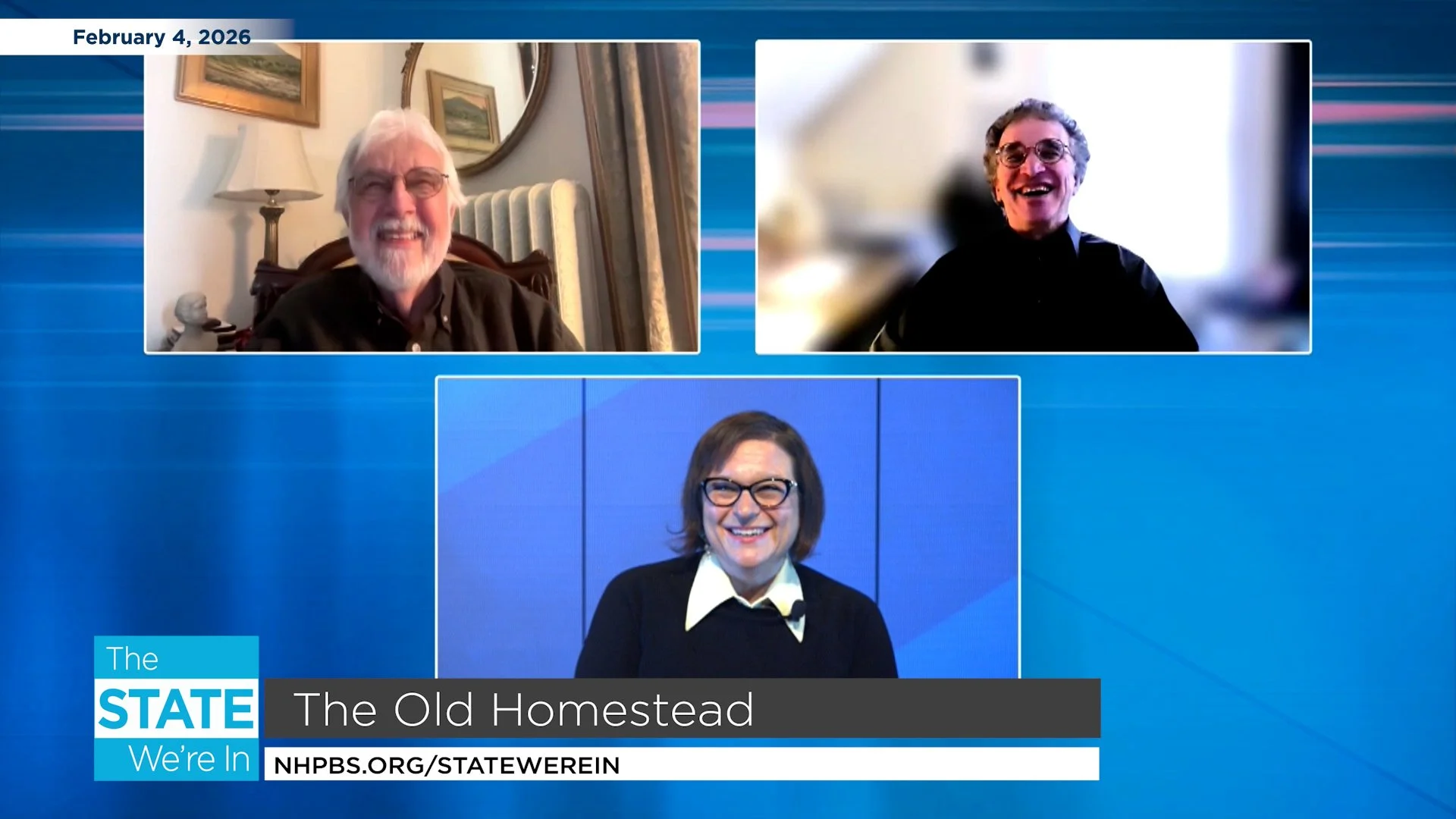
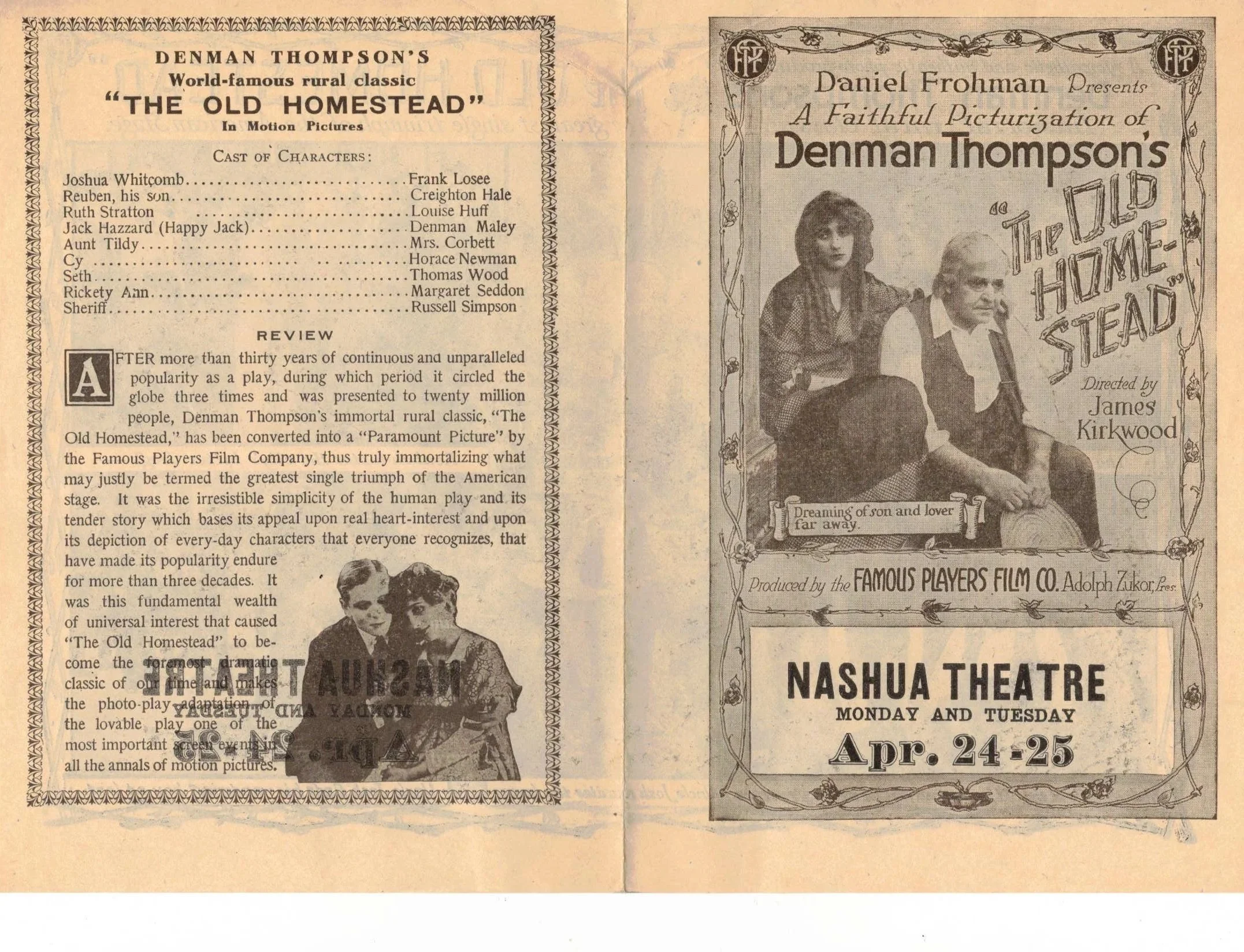
We’re here to talk about a passion project that is at the heart of film history, New Hampshire history and perhaps even the quintessential mystique of the wise Yankee farmer. It all starts with a 19th-century play, “The Old Homestead,” which eventually became a silent movie. It has a unique history and pedigree, and to tell us more about it we have two experts also with a unique history and pedigree. We have Keene State College film professor emeritus and filmmaker Larry Benaquist and author Howard Mansfield.
Melanie Plenda:
Larry, tell us a bit about the history of “The Old Homestead” and its connections to New Hampshire.
Larry Benaquist:
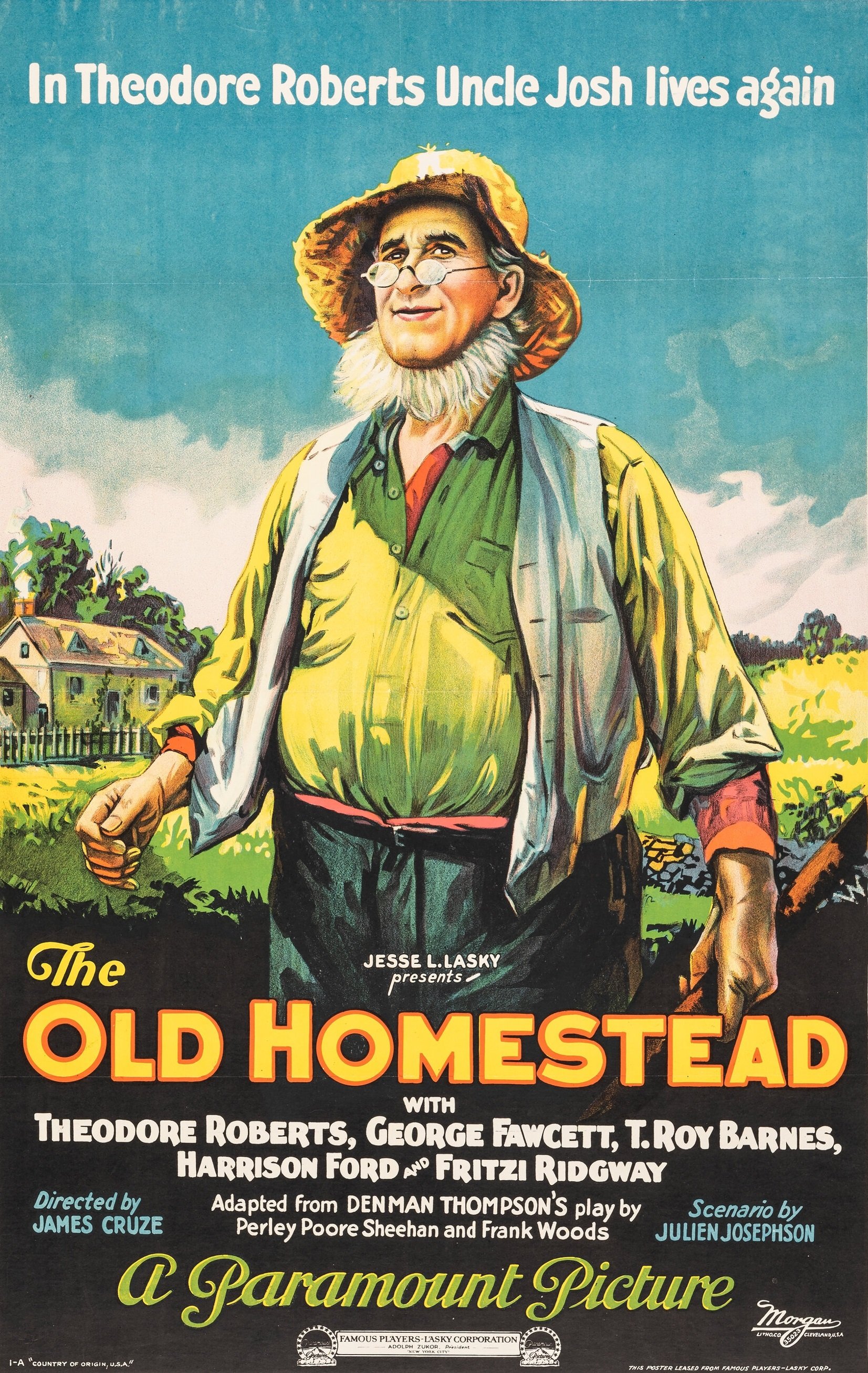
“The Old Homestead” is a play that was written by Denman Thompson, a resident of west of Swanzey, N.H., who became an actor in his early days and ended up writing a play that he could do as a skit, which he performed around the country for over 25 years. This play became so popular, so widely seen, that it astonished even him.Apparently, this vision of the New Hampshire farmer as wise, industrious, kind became the way Americans saw this. It’s not a caricature, exactly, not even a stereotype – the authenticity of it struck people, so much so that they were turning people away at the door for 25 years. This play is one of the most popular plays in America.
Melanie Plenda:
Can you give us the basic plot, just a rundown real quick of what is, what is the play about?
Larry Benaquist:
It's a retelling, in a way, of the prodigal son story from the Bible. When the play opens, the old farmer’s son has left him about a year before. There had been a robbery at the bank in his town. He was accused of the robbery – he had not done it, and even though that was to be proven, he left in humiliation and went to New York City and started leading a life of and just sank into alcoholism and shame. The play opens with his father, who's a widower living on a farm outside of Keene with his sister and some interesting characters in the neighborhood who accompany him. After meeting a tramp who comes to the house, he ends up going to New York City to retrieve his son.
It’s a very simple play. It’s in four acts and ends up where it begins – at the farm in West Swanzey.
Melanie Plenda:
How did you first hear about it?
Larry Benaquist:
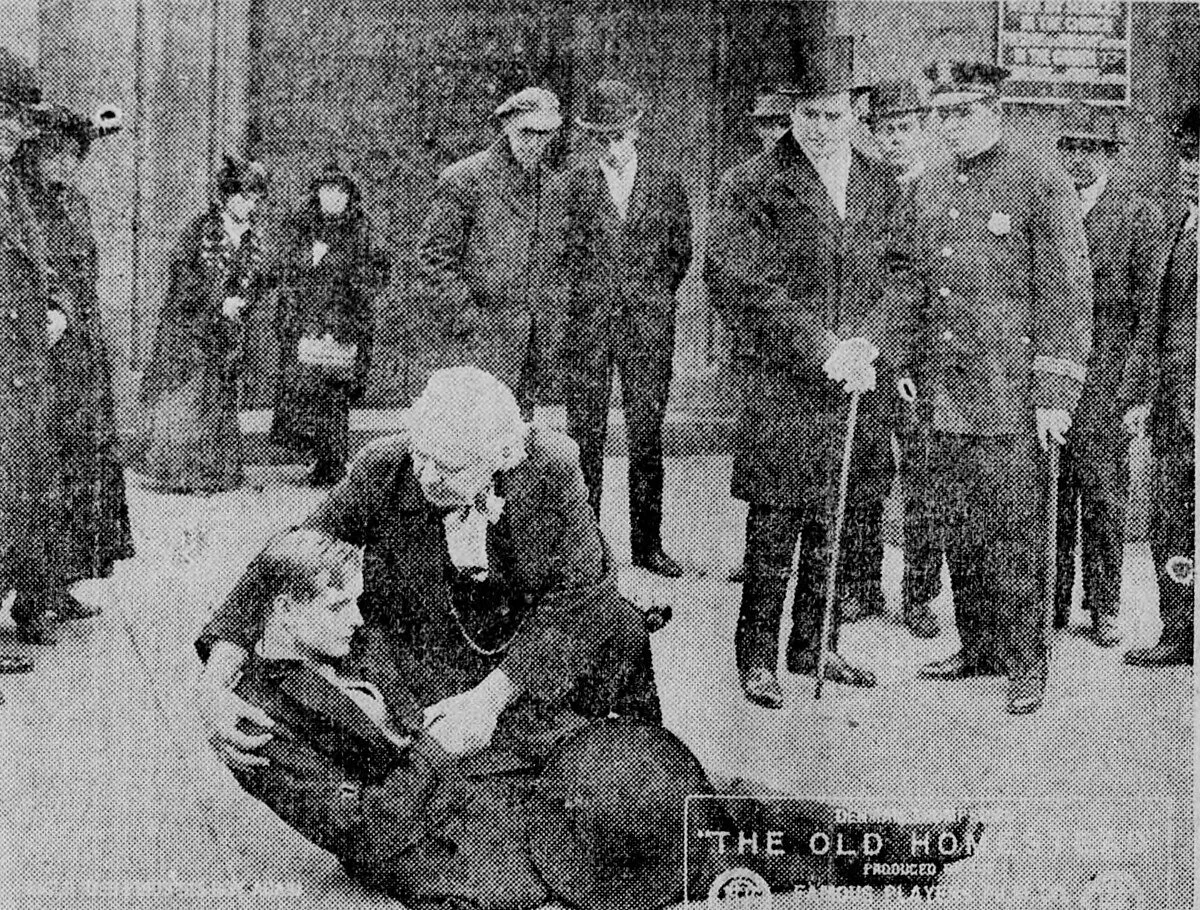
The play had been put on every year in Swanzey from 1939 until 2016. After Denman Thompson’s death in 1911, the play had been filmed twice. I didn’t even know about that.
One day, before Covid, a woman in Keene said to me, “You know what, I think this play has been filmed a couple of times.” So I was isolated during Covid and had nothing to do, so I thought, “I’m going to try and find those films,” and that’s what I started to do. It took a few years to happen because no prints existed in this country. We found prints in Europe.
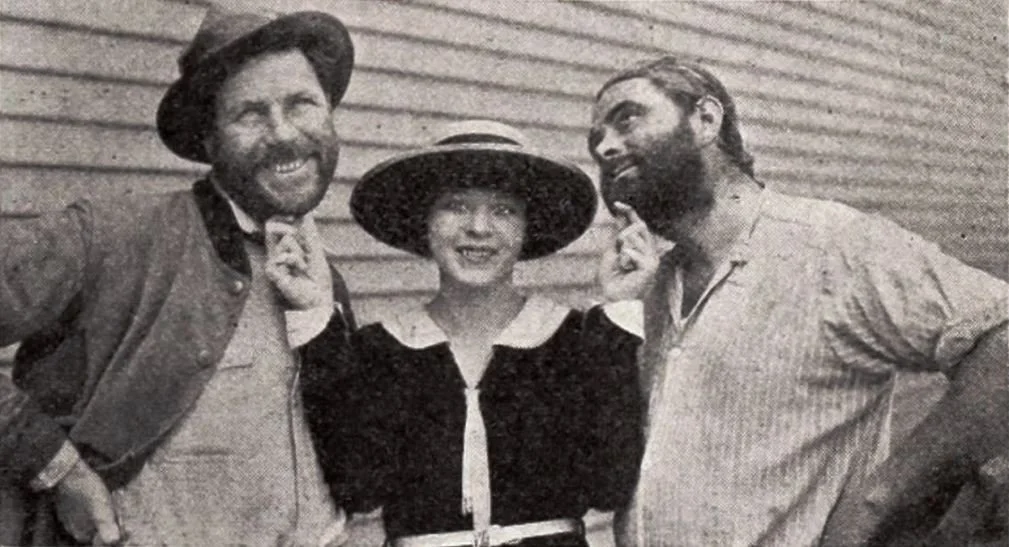
There was a 15-minute film in 1915, four years after Denman Thompson died that was very popular and stuck pretty much to the play, and then in 1922, during the Jazz Age – a totally different interpretation of the story. We found the 1915 version in a small archive in Paris. The 1922 version was in two locations – Moscow and Brussels – and I found it much easier to deal with Brussels.
Howard and I have overseen the production of a half-hour documentary dealing with this whole process, and specifically the great significance of the play in the late 19th century, which I really had no idea about at the time,
Melanie Plenda:
Howard, please tell us a bit about your background and how you came across “The Old Homestead?”
Howard Mansfield:
I write about how places came to be the way they are, why people tell certain stories about their history, and why they refuse to tell other stories. So I'm just the guy who goes around and asks a lot of questions, pokes around, goes through the archives.
I went to see “The Old Homestead” three different times. It's very unlike anything you've ever seen. You're used to going to the theater and seeing three or four characters and two acts. This is 50 characters played by about 25 actors over four acts, with breaks for music for barbershop quartets with live oxen walking across. It's an entirely different thing.
One of the most important characters of the play is the barnyard – the name of play, “The Old Homestead,” that’s what people loved. His audience were farm people who had gone to the city, and they loved the play and loved seeing the animals. There’s a lot of talk of farm chores there. They missed chores. They missed animals.
The other was Uncle Josh himself. Denman Thompson started out as a variety actor, basically vaudeville stage, doing all sorts of very broad gestures. Uncle Josh is based on just the three years he spent in Swanzey. His family had a long background in Swanzey – he had three generations of his family. Before he was born, they left to try their luck on the frontier, which at that time was in Pennsylvania. They failed, came back, and in just those three years, Denman is going back, absorbs all that and creates this character based on two figures in town who were known for their wit.
Uncle Josh is kind. He’s constantly sitting down listening to people’s stories, and people really reacted to that. Ministers said to their congregations, “It’s worth a dozen sermons – go see it.” People go see it over and over. The play had great resonance and great attraction.
Melanie Plenda:
There’s an event coming up in Keene about it. Larry, can you tell us more about it? And most importantly, is it too late to get tickets?
Larry Benaquist:
Well, I'm afraid for two films that haven't been seen in over 100 years, there might be some seats available at the last minute if people don't show up. There was only room for 140 seats, but we fully intend to bring this around to other locations. I think people will want it. These are two very, very interesting films, and accompanying them is the 30-minute documentary with this history we’ve been talking about and a lot of information about how Thompson came to write the play and the aftermath.
Melanie Plenda:
Let’s dig a little deeper. Why do you think this piece resonates with people? What is its staying power?
Larry Benaquist:
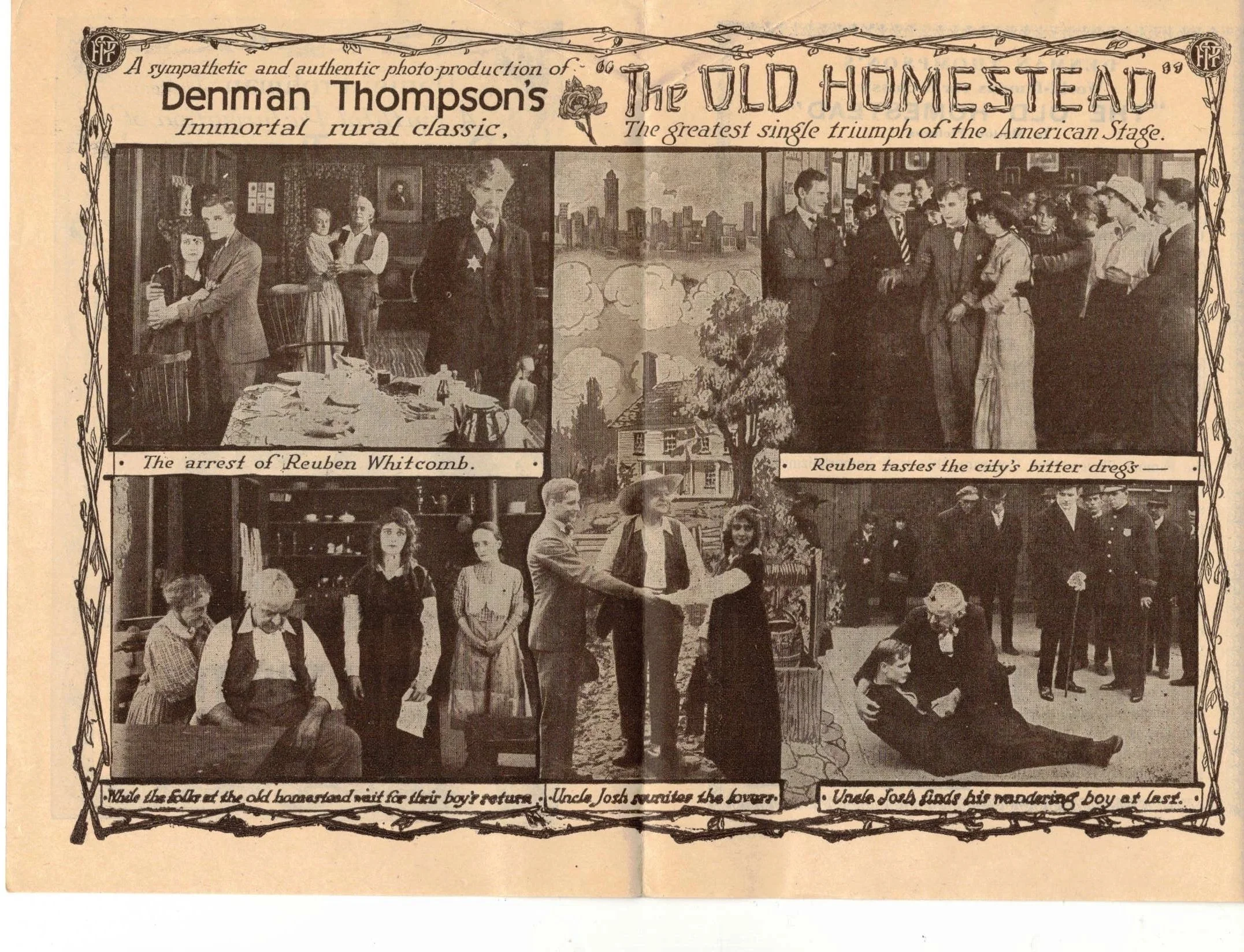
Staying power is something we've talked about, as we observe in our documentary. It's very much a piece of its mid- to late-19th century origins. There's nothing about it that could be modernized. It has to be seen in the context of itself. You can do Hamlet in modern dress or Romeo and Juliet in spacesuits. But you can't do anything like that with this play, because part and parcel of it is the land itself. Howard got it exactly right. The star of the film is “The Old Homestead.” It’s a place where clarity can be achieved. Where honesty and real connections between human beings happen. The shots that are shown in the city are the reverse of that. They're teasing him because he's from the country. They get him drunk. He's flirted with by wanton women. You've got this split between the virtues of agricultural, rural life and what's lost when that's gone.
Melanie Plenda:
What do you hope people who attend the event take away from it?
Howard Mansfield:
I hope that they have a sense of maybe a little bit about what country life used to be like around here and why people may longed for it as it was fading. Maybe, if they think about it,, they realize how many of these images are still around today in popular culture. They are in images in Hollywood movies, and these Hallmark movies where people are always going back to the small town and finding romance at Christmas time – all these tropes. They still live, and there's still this longing for home.
There are two stories we tell about home. Home waits for us, we can always go back there or home is fled, and we can never go back. I think you see those kinds of two things going on in this play and in the movies, and I think those are two things that people are always longing for.
Larry Benaquist:
That might explain the immense popularity of this play with urban audiences. You couldn't get tickets for this play in Boston or New York City. They were sold out. So it wasn't just country people leaving their farms and going into the small towns to see it in a local theater. It was different from that.
Melanie Plenda:
So interesting! Thank you for sharing all this with us and our audience.
“The State We’re In” is a weekly digital public affairs show produced by NH PBS and The Marlin Fitzwater Center for Communication at Franklin Pierce University. It is shared with partners in the Granite State News Collaborative, of which both organizations are members. For more information, visit collaborativenh.org.