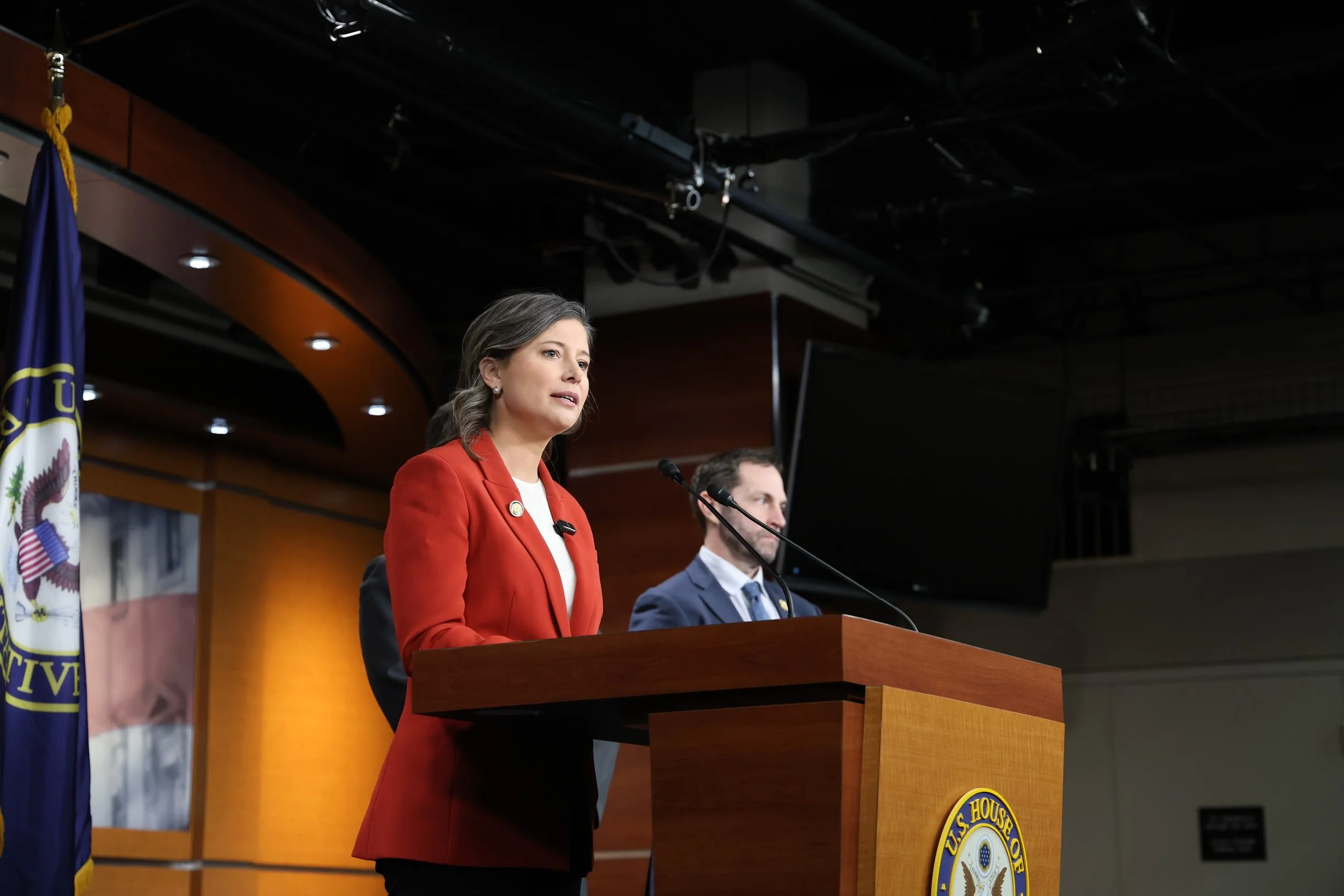
Companies managing N.H. apartment complexes have settled federal lawsuits over using ‘anti-competitive’ algorithmic software to set prices
By Kelly Burch-Granite State News Collaborative
When Jacqueline Plante got her lease renewal notice in June for the Portsmouth apartment where she’s lived for three years, it seemed strange.
Rather than offering her a rate for a typical 12-month lease, the renewal spelled out 11 different lease terms, with a huge variation in what the rent would be. Month-to-month would cost her more than $4,000, while a 12-month lease would be $2,146 per month. The most affordable option was an 11-month lease, at her previous rate of $2,075 per month.
She checked the availability of other apartments in the complex as if she were a new tenant. She found apartments identical to hers with prices below $2,000 per month for a 12-month lease — depending on the day she checked. This seemed “funky” to Plante, so she reached out to her property management company, Forest Properties Inc., which is based in Cambridge, Mass.
"That’s when I was informed that they switched over to an AI revenue management software,” said Plante, a 35-year old physical therapist. “That’s generating your prices per month.”
Plante is one of what experts say are many renters in New Hampshire finding that software using artificial intelligence (AI) and algorithms are dictating their rent prices. Nationally, the Department of Justice has reached settlements in the past year with at least four corporate landlords — operating at least seven New Hampshire apartment complexes — and one software company for using algorithms and private data to set rent prices in ways that violate federal antitrust laws that forbid price fixing.
But policymakers say the issue is even more widespread. In 2023, the White House Council of Economic Advisers estimated that algorithm-set rents cost renters $3.8 billion that year alone, increasing monthly rents by an average of $70.
These new technologies, if left unchecked, could add strain to New Hampshire’s already tight rental market, experts say. Legislation introduced last year at the state and federal levels could fight that, but for now there’s building frustration and a lack of transparency about how the rise in AI is affecting renters.
“It’s really a black box,” says Nick Taylor, director of Housing Action NH, “which is what’s concerning to a lot of folks.”
Investigations and legislation
It’s normal and acceptable for landlords to use publicly available information — such as rents listed on real estate websites — to set their prices, Taylor says. However, the practice becomes potentially illegal when companies use software that uses non-public information to set rent prices in a way that decreases competition in order to maximize profit for landlords, the federal Justice Department and experts say.
Last year, the Justice Department reached a settlement with RealPage, a revenue management software company based in Texas. Before that, the department settled with Charleston, S.C.-based Greystar Management Services, the largest landlord in the U.S., to refrain from using the “anti-competitive” software. (Greystar operates six New Hampshire properties, in Lebanon, Salem, Londonderry and Merrimack.) Most recently, in June, the DOJ reached a similar settlement with Willow Bridge Property Company of Dallas, Texas, which operates a property in Bedford.
New Hampshire U.S. Rep. Maggie Goodlander, D-2nd District, worked on the RealPage investigation while she was deputy assistant attorney general in the DOJ’s Antitrust Division under President Biden.
The settlement required RealPage to “end alignment of pricing among competitors” and cooperate with investigations of property management companies. However, it did not include any fine or admission of guilt.
“It’s insufficient, Because the settlement is really about one company with no penalty and no admission of wrongdoing, this is no way a permanent fix,” Goodlander said.
She added that any technology that allows corporations to collude on pricing violates federal law — specifically the 1890 Sherman Antitrust Act. While the law is old, it’s pertinent.
“Price-fixing for most of history happened in smoke-filled backrooms,” she said. “What we see now are new and sophisticated data-driven, algorithm-driven tools to fix prices.”
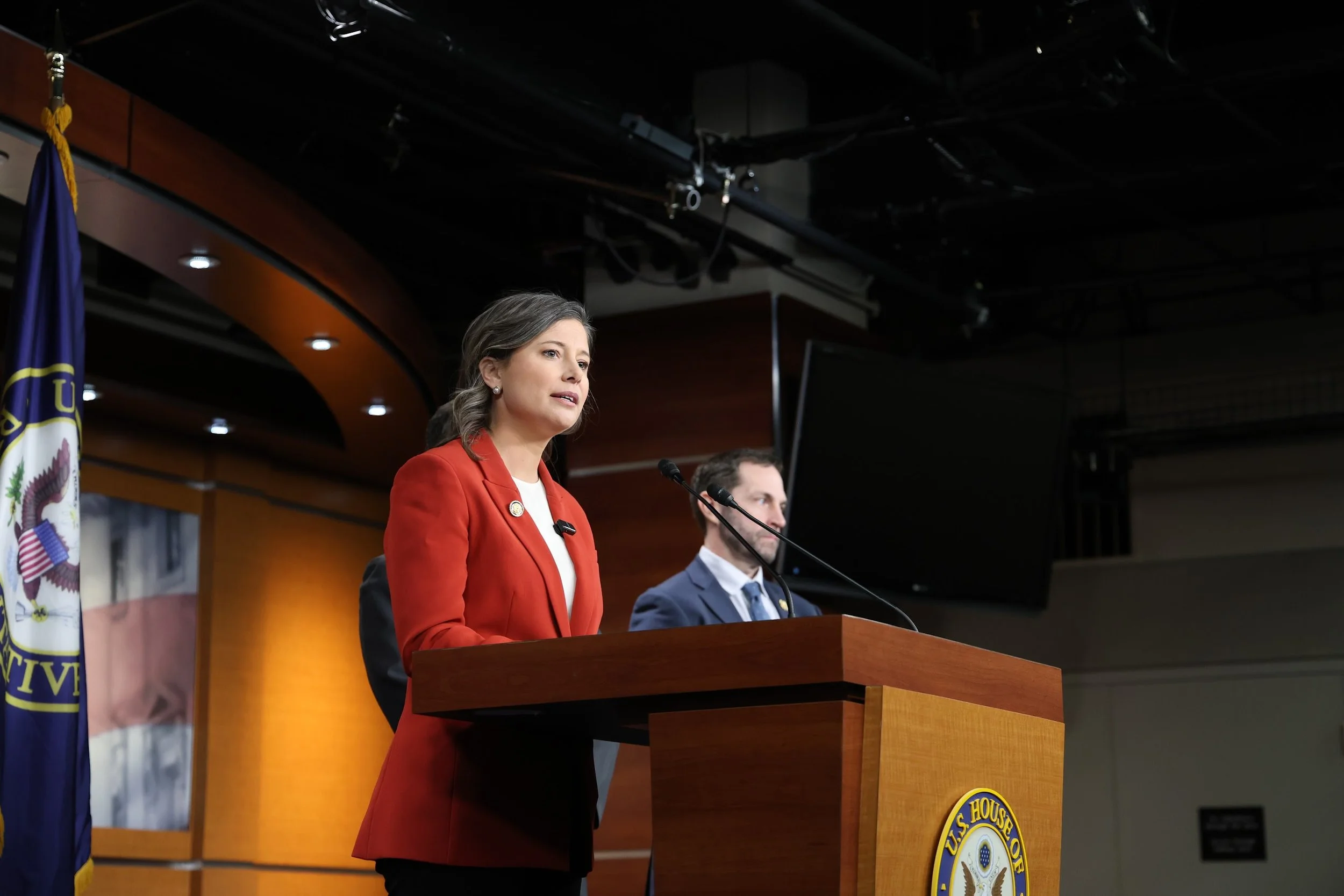
U.S. Rep. Maggie Goodlander, D-2nd C.D., who as a deputy attorney general during the Biden administration worked on an antitrust investigation of RealPage, a developer of algorithmic rent-setting software, is the sponsor of the “End Rent Fixing Act of 2025,” which would forbid two or more property owners from coordinating on rent prices, including by using AI, algorithms and non-public data. (Courtesy)
Still, because antitrust laws are so broad, federal judges are sometimes hesitant to enforce them, Goodlander said.
“That’s what’s motivating the effort to refine and update the federal antitrust laws,” she said.
Last year, she sponsored H.R. 6124, the “End Rent Fixing Act of 2025,” which would forbid two or more property owners from coordinating on rent prices, including by using AI, algorithms and non-public data.
“When corporate landlords contract for a basic service — and that service is about coordinating rents and supply — that is the conduct we’re trying to get after,” Goodlander said. She added that the issue of algorithm-driven rent recently came up during a community event in Keene.
Legislation has also been introduced in New Hampshire. House Bill 1612-FN would have made the use of price-fixing software by landlords a violation of the Consumer Protection Act, and require the state Justice Department to investigate complaints of the use of price-fixing software by landlords.
The bill died, but Rep. Jonah Wheeler, D-Peterborough, one of the bill’s sponsors, hopes similar legislation will be introduced again.
“We understand very clearly these are very necessary [pieces of legislation] to protect tenants,” he said.
Other states are also taking action. New York updated its antitrust laws last December to explicitly ban the use of algorithm-driven rent-setting, and California adopted a similar measure in January. Most recently, New Jersey passed a law banning algorithm rent-setting in July.
No other option
The use of technology to set rents has already caught the attention of the N.H. Justice Department, according to spokesperson Michael Garrity.
“This is an issue the N.H. Department of Justice's Consumer Protection and Antitrust Bureau is aware of and is actively monitoring at this time,” he said, encouraging anyone who thinks they have experienced anticompetitive behavior or price fixing to file a complaint with the department.
Part of the challenge in bringing this issue to light is that renters often accept their AI-set rent, because they believe they have few options in New Hampshire’s tight rental market.
"We know it’s happening, but it’s a little challenging for folks to pinpoint who is being harmed by this and how often it’s happening,” Taylor said.
With two large dogs, Plante has very limited options for rental apartments. Despite her frustrations, she re-signed her lease for 11 months.
“I didn’t have a choice,” she said. “These property managers and rental companies can really do whatever they want, and we have to either follow or move. It’s a really frustrating, helpless feeling.”
In part because of that, she’s now looking for jobs outside New Hampshire — and she thinks other young professionals may do the same.
Neither the property manager for Plante’s complex (which she asked not be named, because of privacy concerns) nor the regional manager for Forest Properties could explain why her rents were set as they were. They essentially said, “It’s the AI, this is how it is — kick rocks,” she recalls.
Forest Properties — which operates nine New Hampshire apartment complexes in Portsmouth, Manchester, Nashua, Seabrook, Goffstown, Salem, and Rochester — did not respond to requests for comment. The company does not appear to be under investigation in regard to how rents are set, and Plante did not assert that what the company is doing is illegal.
Plante has since reached out to various lawmakers and policy groups and found they're “aware of the problem, but no one knows how to fix it,” she said.
While updating laws to address price-fixing is important, Taylor said there are also policy decisions that could mitigate the impact of these unfair practices. Building more rental units, for example, will help give renters more options.
In addition, Taylor would like to see a “significant push to try to get more local community developers building housing.” Those landlords often have more rapport with their renters and are more willing to work to keep good tenants in their homes.
In the meantime, tenants like Plante are left feeling disrespected and disempowered.
“It just, logically, makes no sense,” Plante said. “[I] just feel devalued and stuck.”
If you’ve been impacted by algorithm-driven pricing — in housing or elsewhere — we want to hear from you. Reach out to reporter Kelly Burch at burchcreative@gmail.com. These articles are being shared by partners in the Granite State News Collaborative. For more information, visit collaborativenh.org.