Cost of housing is making it harder to hire essential workers, say union officials
Editor’s note: This article is the second in Granite State News Collaborative’s “Invisible Walls: Seacoast” project, produced in collaboration with Seacoastonline.com and Fosters.com.
By Paul Cuno-Booth-Granite State News Collaborative, Seacoast Online
Twice a week, Brandon Grigori gets up before dawn at his home in Keene and drives across the state to his job as a firefighter in Portsmouth. It takes him a little under two hours on a good day. He gets to work around 7 a.m., logs a 24-hour shift and gets home exhausted the next morning, around 10.
“My first year doing it, I didn’t really mind it,” he said. He even enjoyed the drive. “But now, doing it for almost three years, it’s getting old.”
Grigori joined the Portsmouth Fire Department a few years ago, after getting out of the Navy. His wife was working in Keene at the time. They looked into moving to Portsmouth, but were shocked at the cost. Grigori said rents were comparable to his home state of California. So they’ve stayed in Keene, where housing costs are lower.
“Our original plan was, we’re going to rent for a little bit and then try to save up, get a good cushion to be able to buy,” he said. “But we realized pretty quickly that we can’t do this on the Seacoast.”
Grigori’s commute is longer than most, but his situation isn’t unique. As rents and home prices in Portsmouth have skyrocketed, it’s gotten harder and harder to live nearby on a civil servant’s salary — pushing people like police officers, firefighters and teachers farther and farther out from the city they serve. Many of Grigori’s co-workers drive 45 minutes to an hour.
Union officials say that’s making it harder to hire the essential workers that Portsmouth needs, and risks weakening the connection between the community and its public servants.
“You want your firefighters, your police officers, your teachers to be part of the community,” said Steve Morse, president of the Portsmouth firefighters union. “And I don’t think a lot of guys that I know really feel that way.”
‘More unaffordable here’
Communities across New Hampshire are grappling with a surge in housing costs, driven by a shortage of available units. But the problem is especially acute on the Seacoast, where a desirable location, growing economy and limited supply of housing have combined to make it one of the least affordable places in New Hampshire to live.
Last year in Portsmouth, the median home sold for $895,000, and someone making less than $45 an hour would have struggled to make rent on a typical apartment. Prices have shot up in Dover and other area communities, too.
Even for public servants who make decent money on paper — the starting base pay for Portsmouth firefighters is around $56,000 to $60,000, depending on their credentials — living in the city is out of reach for most, union officials say.
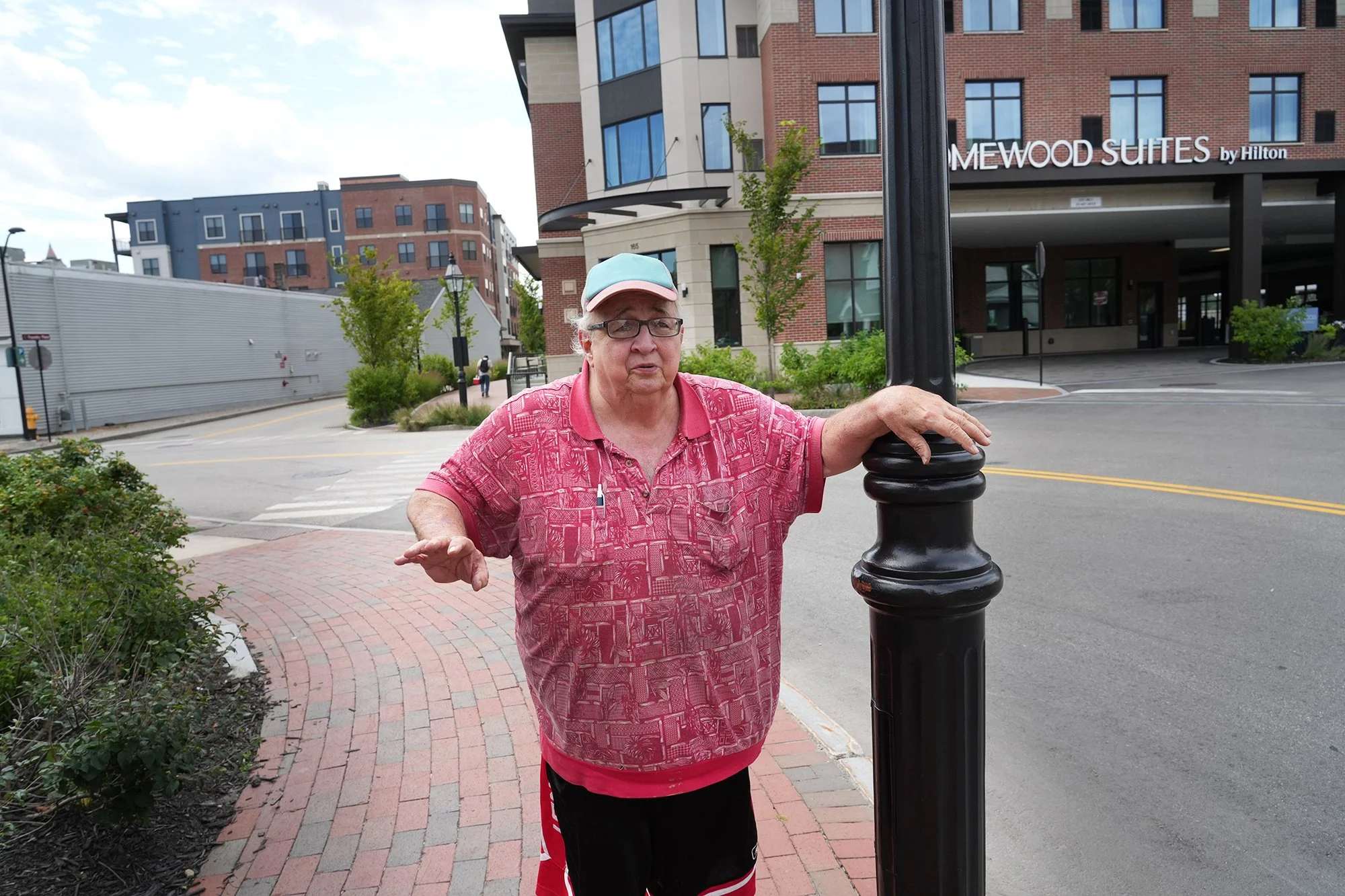
“We have 45 officers in our union, and six of those live in town,” Det. Charley Raizes, head of the Portsmouth Patrol Officers Union, which represents rank-and-file police officers, said late last year.

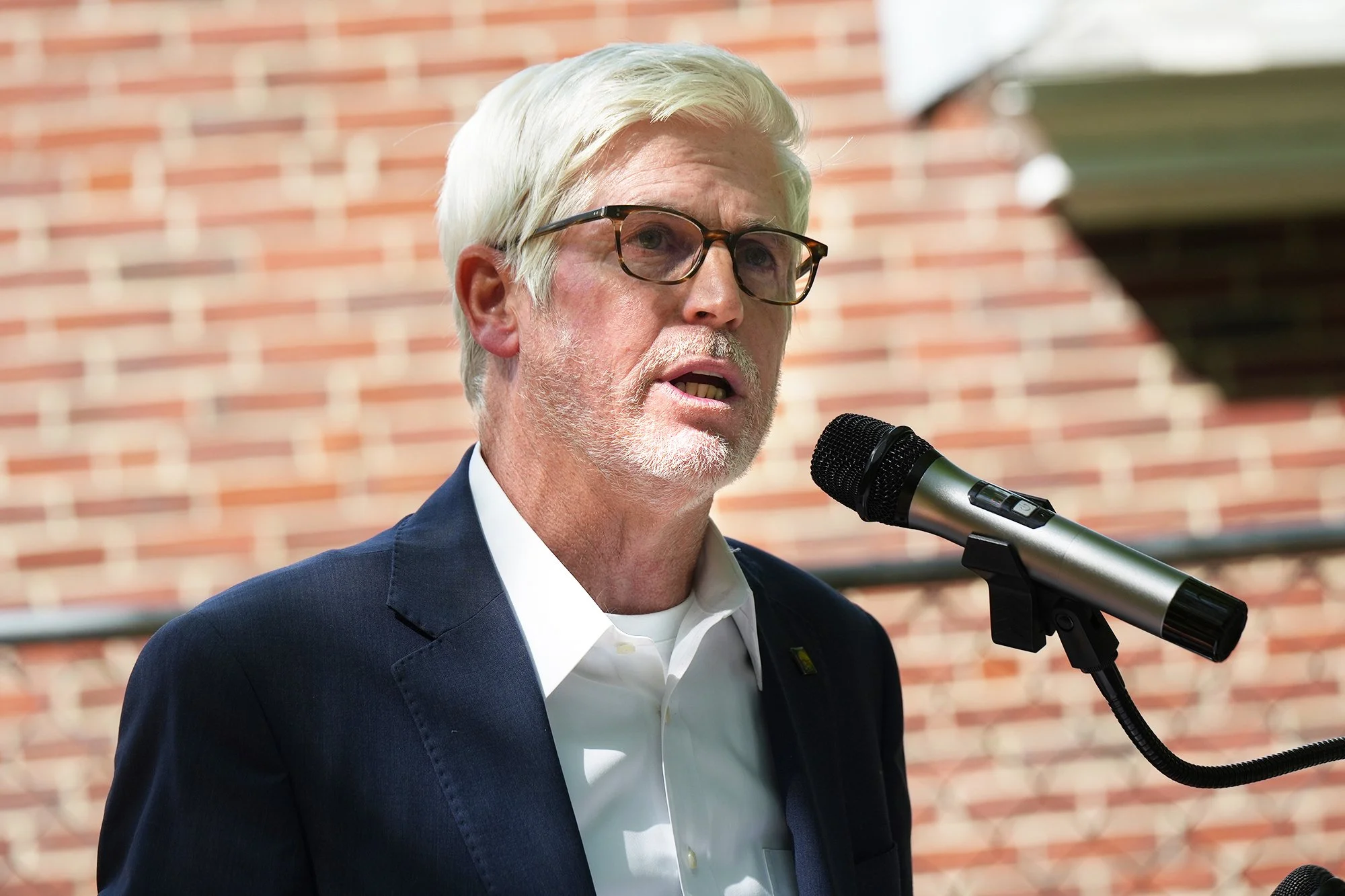
Portsmouth Police Chief Mark Newport says high housing costs and lengthening commutes are affecting the police department’s ability to recruit and retain enough officers. (File photo)
Raizes said some officers have considered leaving because the pay doesn’t keep up with the area’s high cost of living. “Real estate is high everywhere, but it’s even higher here, more unaffordable here,” Raizes said.
It’s a similar story at the fire department, where just five of 48 members in the local firefighters union live in Portsmouth, Morse said recently.
The region’s high housing costs and lengthening commutes are affecting the police department’s ability to recruit and retain enough officers, said Police Chief Mark Newport. The department used to require that officers live within a 30-mile radius, but dropped that when it became clear how far some have to go to find something affordable.
“Once people have families, they’re moving further away to find affordable housing,” he said. “With day care, those expenses, it’s really difficult to live in this area and work.”
One of the few police officers who has managed to live in town is Owen Rand. Rand, in his early 20s, told the Collaborative late last year that his housing situation was possible only because he shared an apartment with his brother, a pilot who earns good money and was paying more than half the rent, which came to about $3,100 after utilities.
“On paper, it sounds like decent money,” he said of working as a police officer. “It goes away pretty quick when you start paying rent.”
Rand doesn’t see a path to staying in the city long-term. His goal is to eventually buy land 30 to 40 minutes north and put a tiny home on it.
“Realistically, I don’t know if I’ll be able to live in this general area, even let alone Portsmouth,” he said. But he doesn’t want to move away; he grew up nearby in Greenland and likes the department and his colleagues. “It’s hard to swallow,” he said. “It’s like, you love the area, you love what you do, but you’re not fully able to afford to live here.”
Disappearing opportunities
Erin Bakkom, a longtime teacher at Portsmouth Middle School and head of the district’s teachers union, said almost half of her colleagues live in Portsmouth. But they’re mostly veteran teachers like her, who’ve owned homes there for decades.
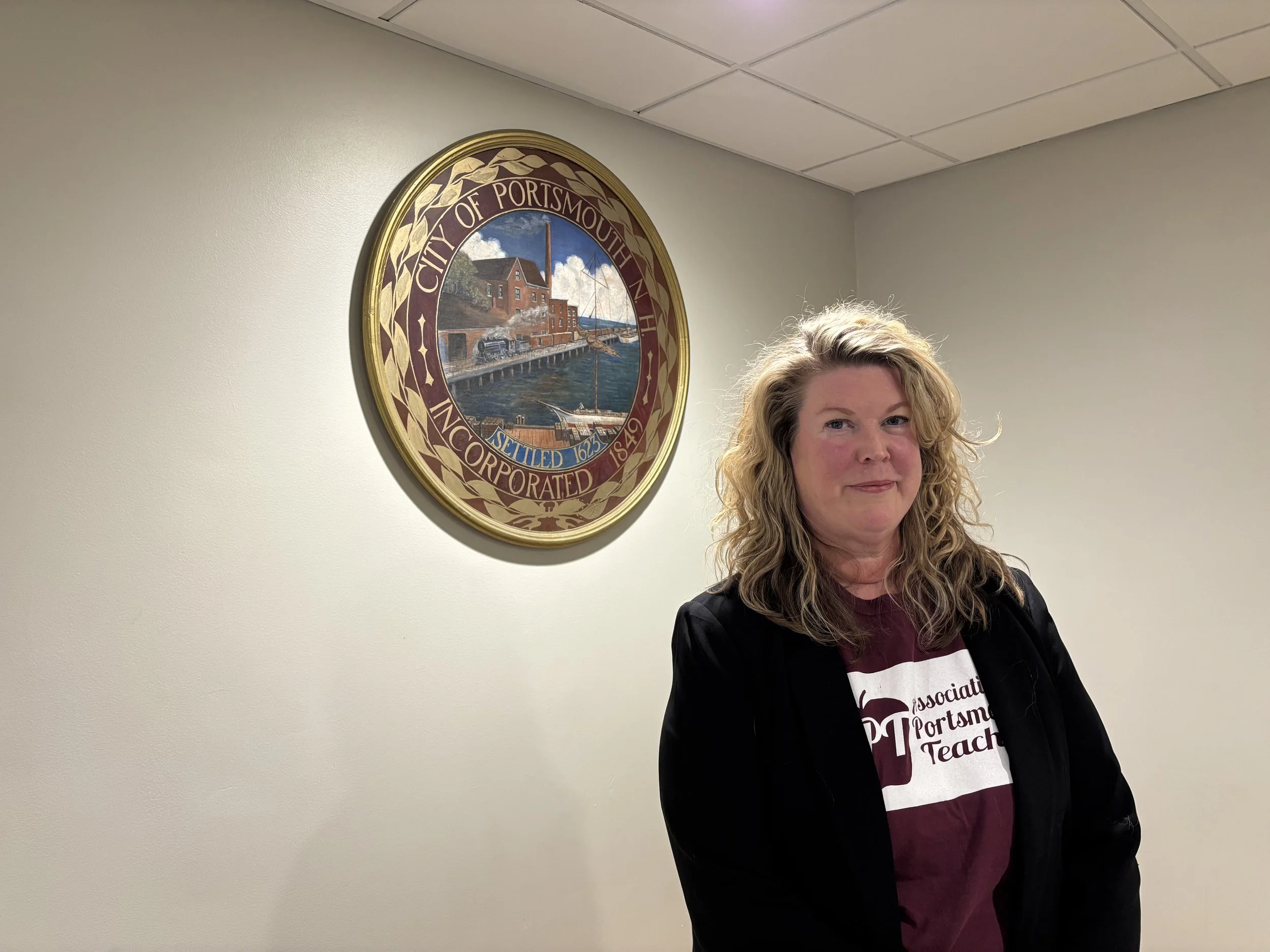
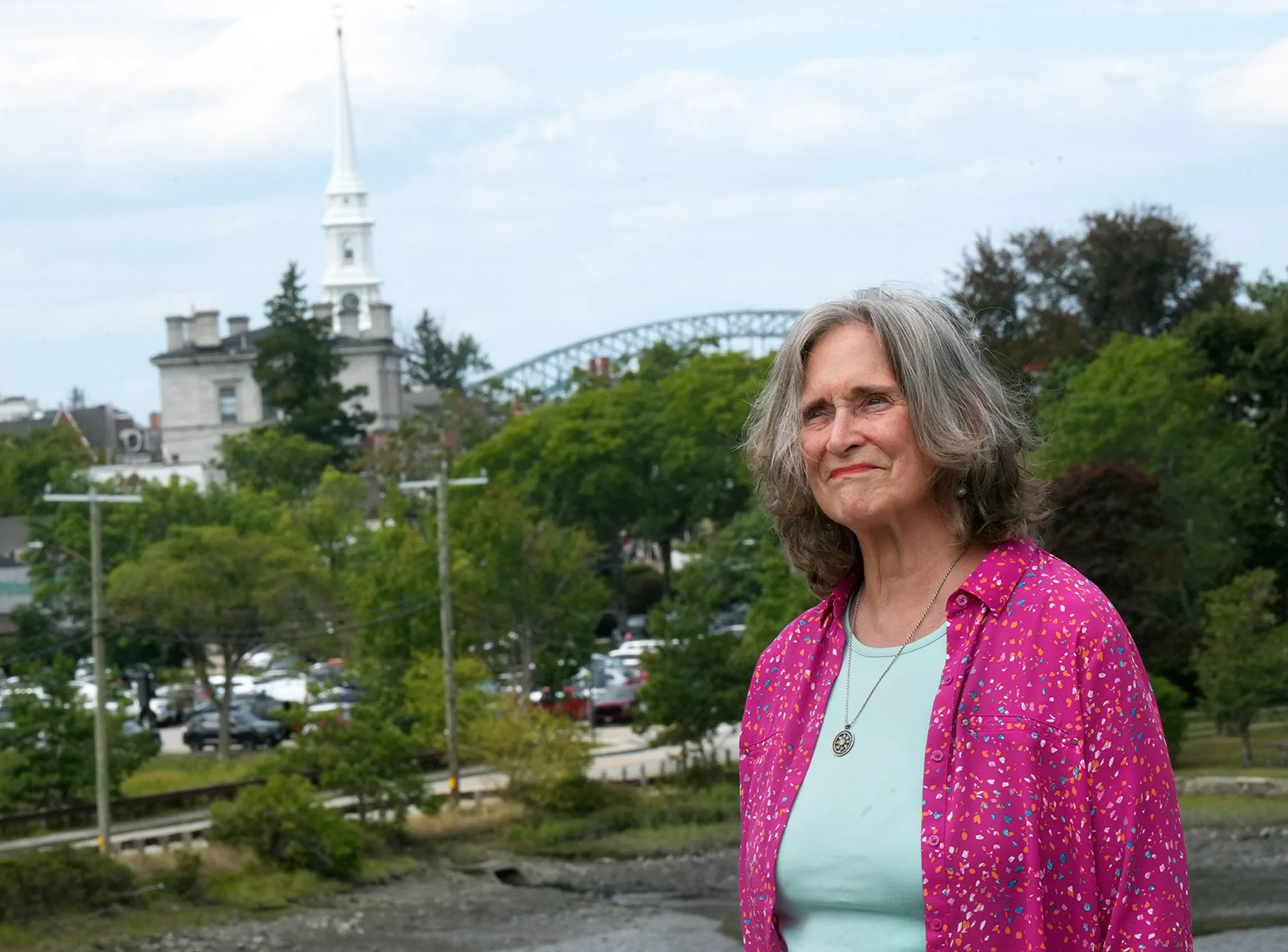
Erin Bakkom, a longtime teacher at Portsmouth Middle School head of the city teachers union, has owned her home in Portsmouth for decades. But ‘the opportunities that I had in 2004, when I bought …. don’t exist for young teachers now.’ (File photo)
Bakkom, for instance, moved to the city in 1999 and bought a $200,000 condo in 2004 with help from a first-time homebuyers program. That’s unimaginable for people entering the profession today, she said. A condo like hers might cost three times as much.
“The opportunities that I had in 2004, when I bought — those opportunities don’t exist for the young teachers now,” she said.
While some teachers prefer to live somewhere they won’t run into their students after hours, “there’s something to be said about living in the community that you work with,” Bakkom said. “As a taxpayer, as someone that watches City Council meetings and things, I have a vested interest — not only in my profession and what happens with school budgets, but also what happens in the community.”
Bakkom is especially worried about the impact on lower-paid workers, such as paraprofessionals, custodians and cafeteria staff, who keep the district humming. If you make $20 an hour, it might not be worth a long commute.
“We’re going to lose people because they’re like, ‘Well, I can do this job in the district where I live,’ which is no longer Portsmouth,’” she said.
Sam Ellis works as a paraprofessional at Portsmouth Middle School, where he grew up and his mom still works as a language arts teacher. He and his partner lived with his parents in Portsmouth while looking for a place of their own to rent. With a budget of $1,500, it took them about three years.
“The whole time we were looking for a place to live, a 45-minute commute was the most we were really willing to move ourselves into,” he said. “And even in that radius it was rough.”
Ellis said they finally found a place in Rochester, about a half-hour away. He and his wife are both planning to get teaching certifications, which will eventually allow them to earn more money. But even so, Ellis doubts that settling in Portsmouth itself will ever be within their reach.
“I do not know that my parents would have been able to afford the house that I grew up in now,” he said.
Morse said some firefighters live elsewhere by choice — Morse himself grew up in Hampstead and now owns a house there — but others would like to live closer to work if they could, he said. Some of his members commute from the Boston suburbs.
He worries something is lost when so many of a city’s first responders are commuters. It’s a lot harder to join a local club or attend a community event when you live 45 minutes away.
“Back in the day, just about everybody would live close to town, and there was more, I think, community spirit, from the stories you hear from the older guys that are still around,” he said.
As for Grigori, the firefighter commuting from Keene, he still keeps an eye out for places in Portsmouth, hoping to find a steal. He and his wife have a young daughter, and he wishes they lived close enough to visit him at the station during long shifts.
“I love the city, so it would be nice to be able to actually get to enjoy it, instead of just working in it,” he said. “And for the family aspect.”
The “Invisible Walls: Seacoast” project was produced in collaboration with Seacoastonline.com and Fosters.com. It is a continuation of the original “Invisible Walls” project, which focused on how Manchester’s exclusionary zoning laws reinforced areas of persistent poverty, impacting many aspects of community life, including crime, public health, affordable housing and access to economic opportunity. Audrey Nielsen and Michael Nolan from MuckRock’s Sunlight Research Desk provided research and data analysis for parts of the series.